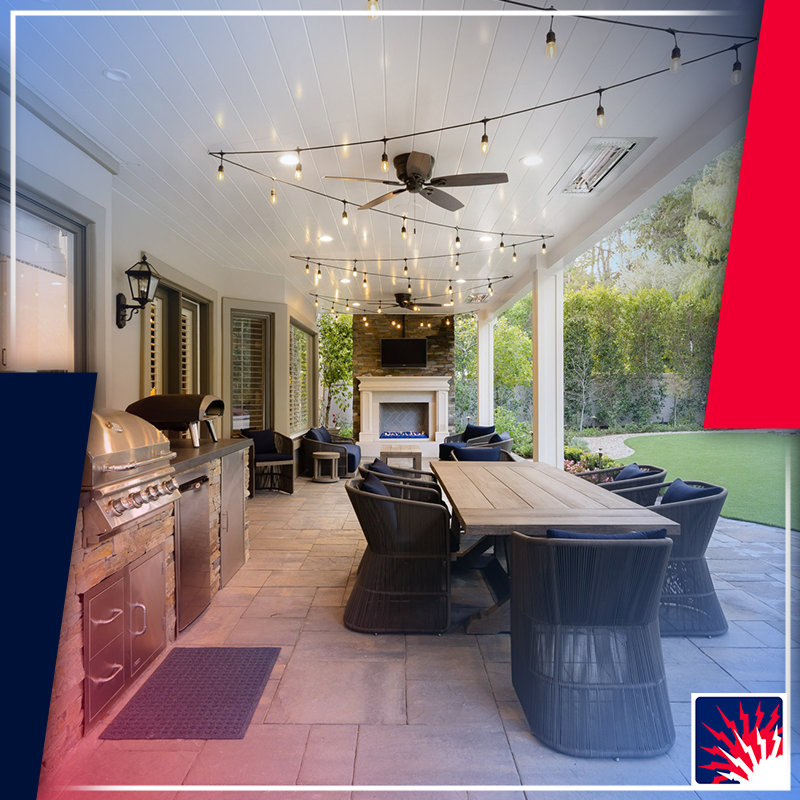
Landscape Lighting in Tallahassee
Weather-Ready Landscape Lighting for Your Home & Yard
Effective landscape lighting does more than place decorative fixtures around the yard. It balances nighttime visibility and appearance with beam direction, glare control, protected wiring, and equipment designed for outdoor exposure.
We install residential exterior and outdoor lighting throughout Tallahassee. Our technical planning covers fixture selection, beam-angle adjustments, underground wiring, weather-rated components, and the electrical infrastructure behind the system.
Call (850) 299-0431 to discuss areas around your home that need better visibility or carefully placed accent lighting.
Outdoor Lighting for Paths, Plantings, & Structures
Each part of a property calls for a different lighting technique. A lower-level pathway fixture serves a different purpose than uplighting directed toward a tree or broad area lighting near a driveway.
A residential lighting plan may address:
- Walkways and steps: Illumination along frequently used routes between driveways, entries, patios, and yards.
- Planting beds and trees: Accent lighting or uplighting that draws attention to selected landscape features.
- Porches and entryways: Light around doors, stairs, and gathering areas.
- Driveways and garages: Broader coverage for vehicle and pedestrian visibility.
- Architectural details: Directed light for columns, walls, rooflines, and other structural features.
Electrical Planning for Weather-Exposed Lighting
Outdoor fixtures and connections must withstand moisture, heat, and changing landscape conditions. We plan installations with weather-rated components, weatherproofed circuits, protected underground wiring, and ground-fault circuit interrupter (GFCI) protection, which cuts power when it detects a ground fault.
Placement matters, too. Fixture locations and wiring routes may need to account for drainage, irrigation, hardscape, vegetation, and the mature size of nearby plantings. Careful aiming directs illumination toward the intended surface instead of into windows or the eyes of people using the space.

Serving Residential & Commercial Customers Since 1983
-
Powering Homes, Businesses & Critical FacilitiesWhether it’s a home upgrade or a complex facility like healthcare infrastructure, their team has the experience and licensing to handle projects of any scale with confidence.
-
Built on Decades of Proven PerformanceWith roots dating back to 1983, Weston Trawick has grown into one of the most respected electrical contractors in North Florida and South Georgia—built on consistency, reliability, and results.
-
Complete Electrical Expertise Under One RoofFrom residential wiring to large-scale commercial systems, generators, fire alarms, and data infrastructure, we deliver fully integrated electrical solutions.
-
Always On. Always Ready.Weston Trawick doesn’t just offer emergency service—they’re structured for it, with live answering and a multi-layered response system that ensures fast action when it matters most.
Planning Fixture Placement, Wiring, & Nighttime Effects
A lighting plan should identify where visibility is needed, which features deserve emphasis, and where glare could affect occupants or neighbors. Available wiring routes, electrical infrastructure, irrigation, drainage, hardscape, trees, and shrubs can all influence placement.
Useful planning questions include:
- Which walkways, steps, doors, and driveways are used most often after dark?
- Which trees, planting beds, walls, or architectural details should receive accent lighting?
- Where could a fixture shine into a window or create uncomfortable glare?
- How might plant growth affect the beam or access to buried wiring?
- Could the layout accommodate additional fixtures if the property changes?
Checking the Finished Lighting After Dark
Brightness, beam direction, shadows, and glare can’t be judged fully in daylight. A nighttime check allows fixtures to be aimed and adjusted based on the actual view from paths, seating areas, windows, and the street.
Planning for Long-Term Outdoor Conditions
Water, vegetation growth, soil movement, and yard activity can affect an outdoor system over time. Damaged cable, failed connections, shifted fixtures, and obstructed beams may reduce performance, making accessible wiring routes and suitable components important during installation planning.